



These days it’s not much fun to work in the agency business. Agency staff are overworked and under duress to work faster and smarter. There is the constant worry about layoffs. And now as AI looms over them like storm clouds, they wonder about their career prospects.
It wasn’t always like that. Back in the 1960s, 70s and 80s, life in an agency was fun, invigorating, glamorous even, a beehive of creativity, where clients treated you as a thought partner, someone to make them look brilliant, come up with “Big Ideas”, help grow their business. Agency profit margins were healthy enough to pay everyone really well. Agency founders were revered as demi-gods – creative geniuses – marketing oracles of their time. And when neighbours asked what you did for a living, you were always proud to say you were in the “ad business”.
That world no longer exists. Agencies have become sweatshops. A business where too often lowest price wins. Where clients have become incessantly demanding – intolerant of pushback – under immense pressure themselves to deliver “stretch” results. Scopes of work keep expanding, which agencies are obliged to execute at increasingly thinner margins, imposed by procurement officers who urge them to just do more with less. Agencies are now thought of as just another substitutable cost in the supply chain.
There is no almost no such thing as an “agency of record” anymore. The rug can be pulled out from under an agency every few years or so at the whim of the client when contracts get bid out at renewal time. Agencies find themselves in continuous pitch mode, either trying to hang on to a client in an agency review, or expand their client roster, notwithstanding the out-of-pocket expense, which can take years to fully recoup. When a major client is lost, layoffs are always quick to follow, with the most senior staff the first to go. In today’s agency business, there is no such thing as a retirement party anymore. As a result, agencies have been hollowed out, populated by junior staff, with few mentors to coach or inspire them.
The decline and fall of agencies can be traced back directly to the rise of the financial holding companies in the mid-1980s and 90s, beginning with Martin Sorrel’s WPP in 1985, when he went on an acquisition spree, acquiring Ogilvy and JWT. Sorrel insisted on fatter profit margins in order to drive up share value and sought to cut the surplus capacity out of his agencies by reducing the head count. But he also hived off the media divisions into separate profit centres to compete against the independent media companies. By depriving the creative agencies of the 15% commission they normally made placing media, they were forced to earn revenue solely through time on page. And that eventually led to procurement being brought in by clients to negotiate the service level agreements, even though they knew nothing about how work gets done in an agency (and could care less).
That’s why Michael Farmer, author of three books on the plight of agencies, the latest being “Madison Avenue Revisited”, accuses the holding companies of “murdering the ad business”, largely by bleeding the agencies dry over time with their singular focus on maximizing profits. Farmer points to other villains as well – not just procurement, but corporate CEOs for their “short-termism”; marketers for their abuse of agency time, and for callously playing off agencies against each other; and agency leaders who consistently underestimate the scopes of work, meaning agencies get underpaid for their time.
That’s where Michael’s strategic consultancy comes to the rescue, helping agency leaders manage their businesses more profitably, mainly by aligning the contractual agreements with the scopes of work. His ScopeMetric methodology enables an agency to calculate and assign an expected cost (what he calls a SMU) to any creative deliverable within a scope of work. Add up the SMUs and you can properly estimate the workload.
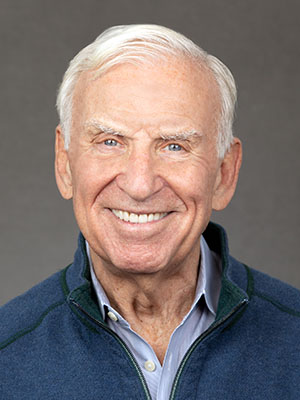
Michael started his strategy consultancy almost four decades ago in 1990 after serving stints with both Boston Consulting Group and Bain where he successfully expanded their European footprint. He first got drawn into agency consulting in 1992 when he was tasked by Ogilvy’s London office to help them comply with Martin Sorrel’s draconian marching orders.
I started by asking Michael what led him to leave Bain and open up his own consulting practice.
Michael Farmer (MF): When I moved to the UK, originally in, you know, early 80s, Bain had 30 people in the UK. That was it, that was our European presence. So I worked there for a year and then went to run a tiny operation we had in Munich of about nine people to develop the German business. And I did that for a couple years. And then I met a French CEO. I speak French, so it kind of helped. I wanted to move to France and start a business for Bain there. So that happened. This turned out to be a very good client. I did that for five years and then they promoted me to be the head of the UK, which by this time had 350 people. And let me tell you, I’m not an administrator. I didn’t get to work with any clients. I was just fighting with my 10 British partners. I hated the job. I lasted two years and I quit. I wanted to get back to consulting. And so I took four guys with me and we started … and we just did the same kind of consulting, Steve. We did … we worked with Lucas Industries, we worked with Balfour Beatty, we worked with Europcar in Paris. We did that kind of stuff. And what was out of the blue was getting a call from Ogilvy in ’92 to say we need a strategy consultant, not an industry expert, because we were bought by WPP a few years ago, we’re already not making our numbers and we can’t figure out what to do. So that’s how I got involved. But it was just another client for me.
Stephen Shaw (SS): And, and just to be clear, you were doing business strategy consulting at the C-suite level, I presume, and…
MF: Yeah.
SS: …no exposure to the ad business. How it worked, what the model is, this was all new for you?
MF: No idea. No idea. In fact, the other client that I had at the time was Lucas Industries and they make injectors for diesel engines, they make the lighting systems for cars, they do brakes for cars. They had a big aerospace business with Airbus, they made missiles, they did all this other stuff. And so we were bouncing back and forth between Birmingham and then Canary Wharf. But the thing that made sense to us is, we said, look, we know an agency produces stuff and we're going to just figure out what its products are for each of its clients and then try to figure out why do they have 52 creatives, 75 account people, and 40 production people. We were trying to explain what was the relationship between the work they were doing and the people, because that would be a normal thing that you would do in a factory.
If you were looking at Lucas's brakes business, you'd want to know about the cost of doing the brake and the assets required against what they were getting for it. The thing that was astonishing about that work was that Ogilvy didn't have any records about what work they were doing and we had to spend two months reconstructing it. And here I am, 35 years later, still reconstructing scopes of work for agencies that don't have records on all the work they've done, and yet the work is a hundredfold times as much as it was then.
SS: The interesting part of this story is what you actually discovered was going on and the amount of rework that was going on, the amount of creative teams that were being assigned, and the absolute lack of knowledge at the highest levels of the agency. And this is Ogilvy we're talking about, having no clue, no line of sight on this. Tell me about that story. It was fascinating. [9.46]
MF: So, again, you have to understand, we were pretty naive about, you know, even when we built this model about, you know, now we know how much work you're doing. But what we learned from the creatives, “How do you define work?”. Well, they would say, well, there are different kinds of ads in different media, okay, TV, radio, print, for the most part. And then they said, but they’re originations and adaptations of the originations, they’re not the same. And on top of it, even within those categories, there's, if you were doing a new TV commercial for a brand new brand, that's not like cranking out a regular TV commercial.
So we learned that there were three levels of creative complexity at the time: high, average, and low, based on whether it was never been done before or whether you were in the third year of the campaign. And then they said, on top of it, you know, sometimes we put two teams, two creative teams on it, and that kind of doubles the resource. And then it all depends on how much rework there is from the client. Because sometimes we get briefed very badly and we do 16 reworks. So we had to develop a model that said, okay, what media is it in? What's the media detail? Is it origination or adaptation? How many creative teams are on it and how much rework is it? That's what we were doing. And, you know, and what is its creative complexity, low, average, high?
Now, as it turned out, there were only 360 ads that 50 creatives were doing at the time. You can't even compare that today. But it still took us two months to gather that data because we did it through interviewing. And what we were trying to do was develop time standards, like if there was a TV 30 commercial origination of average creative complexity, we wanted to know how much time it would take one team if there was no rework, and then if there were two teams, you double that if there was extra rework. We figured a rework was like the original creative development.
So we were putting together all these time standards that came from the type of brief, how long it would take one team. But then how many teams did they have? And what was the real rework? And by the time we had done all that in a giant Excel model, we could say, okay, here's what you've got on every one of your 360 briefs. And when we run that model, it will tell us you need 52 creatives, 75 account people, and 40 production people. That's when we knew we had the model right, that for the number of days that they worked, it calculated the resources. So I could say at the end of the day, at the end of two months or so, I could go to Mike Walsh1 and say, okay, we now know why you need the number of people that you have that doesn't allow you to make the margin you want. You know, we now know where …
SS: The shocking part was, as you discovered, is they were assigning multiple creative teams to the same project in some sort of creative shootout … revering at the altar of creativity and treating creativity as sacrosanct, that was …
MF: No, no, I have to look back and laugh. I was so proud of this model, so absolutely proud of this model that we had actually figured out, you know, Stephen, how a creative agency worked. You know, we had absolutely knocked it. So I went in to see Walsh with my spreadsheets and presentations: “Say, okay, Mike, we figured it out. Here's the way it works. You got 360 briefs. They're in these following media categories, and you have, on average, I don't know, three creative teams and five reworks on each one of them. And if you do all that math, it comes out to be 52 creatives and 75 account people”. And I thought he would say, bravo, great job.
And he just got red in the face. He was so mad. He said, “Those fuckers!”. And he meant, he meant there, he’s trying to make a 10% margin. And he's got two rogue executive creative directors that are assigning 2, 3, 4, 5 and 6 creative teams to every brief in order to upgrade the quality of the creative work and to create this competitive atmosphere. And he said, these two guys, they keep asking for more resources because everybody's so busy in the creative department. And, you know, he said, I gave into it and that's why we're only making a 5% margin. So then he hadn't brought them in yet. He said, I want you to run your model, tell me how many people we need if we only put one team and have one rework on everything.
And I did that and it was like, you don't need 52 creatives, you need 35, you don't need 75 account people, you need 50 etc, because you don't, you have less rework, less back and forth. And he said, well, what about these high creative complexity, maybe we could put two teams on those and have more reworks. We did that, but it was, he would make his 10% margin easily if that was implemented. [15.19]
SS: Then these creative directors pushed back and he ended up firing them?
MF: Well, yeah, he, he then called them in once he knew what the today situation was and why they were making a 5% margin and then he knew what the scenarios were that would make money, which would mean a different way of allocating creative resources. Then he called Allan and John in with me and says, you know, showed him the results, and said, you know, we've got to do this, we got to run this a different way because we're not making our margins and you know, we're owned by WPP now. And they said we can't work that way. We're not going to do one team per brief or two on the high complexity stuff. You know, we're trying to get creative quality up. And Mike said, you don't have a choice about it. This is how we have to run the business. They said, well, we can't do that. And he fired them right in front of me.
SS: Really? In front of you.
MF: He brought in the number two guy, a guy named Tom Berry, and said, Tom, take over the creative department and implement what he called the “Farmer Rule”. I said, wait a minute, this isn't my rule, this is my scenario. So he blamed it all on me. Farmer came in and said there's a new “Farmer Rule” for running the creative department. But listen, this had very wide ranging implications because we were then invited to do this in every European office, to do the same type of diagnostic. And that's when I learned that nobody had scopes of work documented, that, you know, it did take us a couple of months in Germany and France, Italy, Spain, et cetera, to figure out what work was going on. And it all came down to if you knew the work and you had some notion of how it needed to be resourced, you could really run this like a business.
SS: I do want to do a deep dive on this because there are many explanations and factors that have resulted in agencies spiraling downwards, as we all know. But in the book you make it clear that the holding companies are to blame and you use the term “murdering the agency business” which I love. But is the guy holding the smoking gun, Martin Sorrell, like he's the guy, WPP, you know, buys up all these agencies, is a finance guy through and through, knows how much fat there is, because agencies were, you know, pretty great places to work at one point, and decides he's going to do away with all that and then holds them accountable as you've just described. Did he set the dominoes falling? Is he basically to blame?
MF: Well, in a way, but it wasn't an immediate murder because you know, he did most of his acquisition … he started in 1986 and he was buying, you know, throughout the 90s. Don't forget that was the kind of the end of the commission era. But not everyone had shifted away from commissions to man hour based billing. And the other thing is, when things shifted from commissions to man hours, agencies during that period had a lot of surplus resources.
In fact, Stephen, my consulting from 1992 to 2004, you know, which is a 12 year period, was helping agencies downsize because they were all overstaffed, just like Ogilvy was overstaffed relative to the amount of work. And I could help them prove that through the model and the scope of work diagnosis. So Martin, between 1986 and 2004, he was squeezing out surplus resources. And by 2004 the commission stuff was gone.
Now where I, listen, I've told him this personally, so you know, I'm not telling secrets here. By the time he got to 2004 you had to shift gears. Agencies had no more surplus resources. In 2004 I happened to be, I was back in the States, I had had Hershey, Ford, Toyota, Mazda, Volvo, Kraft, and American Express as clients. I had done all of their scopes of work with their agencies which included, you know, Saatchi and Ogilvy and a bunch of others. And in every case the agency resources and fees were exactly right for the scope of work. But the holding companies continued to squeeze, because see, procurement was cutting the fees now. Procurement had come in because man hour billing was complicated. So procurement took over the fee negotiations [20.11].
SS: Can we just step back? Because not everyone may be totally aware that most agencies lived off the media, sorry, the commissions off media spending, and commissions on production work, that that was in fact subsidizing the creative work, like all the profits came from there. But then there was a decision made, Sorrell, I think, again the smoking gun, I think he got the ball rolling on this by splitting off the media agency from the creative agency. What was the thinking behind that? I don't quite get that.
MF: Yeah. To go back to the first part of that question, Stephen, at the time, up to about I think 2001 or 2002 or so, these big agencies, the Ogilvy’s, the JWTs, the Y&Rs, you know, the BBDOs, TBWAs, et cetera, all of them had media operations and they made their money by getting a 15% commission on media spend and a 17 ½% percent commission on production. That covered media planning and buying and creative operations. It was one commission, big pile of money. It covered all the resources that you needed. Now at the same time, there were media independents, that there were media companies that didn't have creative and they were going and stealing media business from the holding companies by saying, hey, forget about working with WPP or Ogilvy, we'll do all of your media planning and buying for 4% or 5%. Now here's the client thinking, I'm paying a 15% commission now and these guys are going to do media for 4% or 5%. That means creative is what, what percentage is left over? It's 10% or 11%. I can't believe creative operations take 10% or 11%. These guys are making a ton of money.
So the independent media companies were stealing a lot of business and Sorrell, as he told it to me, he said I had to do it because we were losing, you know, we were losing clients. So he split media out and with much lower commissions. And then that was the death mill for, for media commissions for sure. Then to cover creative, the clients certainly went to the last step, which is do man hour billing in which they'd say we'll pay for the head counts from creative. We're not going to pay commissions anymore.
SS: Did Sorrell understand or even think about the ramifications of what he was doing, that the impact this would have, which would mean now the creative staff would have to bill for their time. Did he understand that that was going to happen?
MF: Well, listen, billing for time had actually been going on for decades in a few situations, even as far back as the 60s. So it wasn't really a new thing, it just wasn't an industry wide thing. By 2001 it was pretty well locked in. I think the ANA kept track of that and commissions had just about disappeared. It seemed to be okay because don't forget from, you know, the 80s until 2004, there were surplus resources. So the fact that they were going to be paid on man hour billing was fine. They were paid very handsomely for that. The problem was in 2004 the creative agencies were separate and they had a certain number of people on a certain amount of work. Well, it also happened in 2004, that same time, that things were unbalanced. That's when digital and social came in.
In fact, Toyota had hired me in 2004 to work with Saatchi to help them to become their digital and social agency along with the rest. And so here was the problem. The workloads were about to explode because now they were going to be doing, well, Facebook and you know, and everything else, later on, the number of digital and social deliverables was going to skyrocket. That was work they weren't used to and it's work they didn't actually even want to do. They thought that was software.
SS: And I remember that era very well because there were some very prominent digital brands, at the time, Sapient and others that were, you know, marching into these companies. And the agencies were still adhering to the basic, you know, mass media spend model that they'd made so much money on. And companies realized, no, we have to digitize and, and brought these more forward thinking agencies into the picture. And it seemed to me that the traditional creative agencies were very reluctant to go down that path. [25.05]
MF: You're so right.
SS: Is that one of the factors?
MF: You are so right. Yeah, Stephen. In fact, this was why Toyota hired me. Because they said to Saatchi, you know how we work at Toyota, we stick with our suppliers, we don't change suppliers. So now that digital and social is coming in, we want you to be our digital and social agency. Saatchi was a captive Toyota agency in Los Angeles. They said, oh, I don't know, that's software stuff that, that isn't what we do. And Toyota said, yes, you're going to do it, here's what we'll do. You will keep your fees as they are today. You'll work with Farmer. Farmer will help you figure out how to do that work more efficiently so that you generate wider margins and then you allocate the wider margins into hiring digital and social people. That way we're not out of pocket and you're not either.
And that, and so actually that turned out to be very productive because we found out that there were a lot of problems at the time in the Toyota relationship that allowed us to cut Saatchi 's resources by 30% to do the traditional advertising. So they had a lot of money to allocate to digital and social. And boy, it was Deborah Wahl2 who at Toyota that promoted this. And I tell you, to this day, Saatchi should kiss her ring because they probably do hundreds of millions of dollars of digital and social today. Whereas if they had followed their instincts and if Toyota had hired another agency, they wouldn't be doing that today…
SS: Which is what happened at a lot of other places.
MF: Well, it did. That is absolutely true, yes.
SS: I'm trying to create a bit of, of context around all of these countervailing currents that were going on at the time. There was a lot. You've already mentioned a number of them and we're going to swing back to that momentarily. But the thing I remember, and you know, as I said to you before we started this recording, that, you know, I spent a lot of time working with agencies, alongside agencies, for agencies. When I was at Ogilvy in 1989, which is, you know, shortly after, Sorrell bought them, the agency was held in really high regard by the client.
We had, you know, Amex, I remember, treated, treated Ogilvy as a bonafide strategic partner. And since then, since that era, obviously, all of those full service agencies, the creative agencies, have ceded strategic high ground to the consultancies and in some cases to specialist agencies. In your view, how did they lose that status as a thought partner? Is it because, at the time, in that era, you know, everything, every solution was another ad or a big creative idea and that stopped being an effective strategy come the early 2000s when media was splintering and it was harder to reach mass audiences. What accounts for that fall from grace of the agencies within the C-suite?
MF: When agencies were the gods, and, you know, it was within my experience too, even working as a management consultant with people like General Foods, I got to see what their agencies can do and it was amazing. They had senior people that really knew the business, were very strategic. Everyone focused on TV advertising because it really worked, it really drove sales. I think what happened is when digital and social came in, you know, around 2004 and later, things became very confusing, there was technology to master. Clients had to master the technology. Like, what does it mean to do social advertising? Digital advertising. We have new competition, we've got online competition from Amazon and others. And you had Accenture and other people as consultants out telling marketing departments, if you don't digitalize, you're dead.
And so those people took their eye off of the ball with respect to their brands and started thinking, our whole existence is going to come from our being digital, not what do we do to grow our brands. So I think that the marketing departments lost the plot and then let's not … There was a lot of confusion in the agency world because … and again, let's go back to Martin Sorrell. He was so disappointed that his agencies weren't fully embracing digital and social that he said, screw them. We're going to have holding company relationships now. I'm not going to rely on Ogilvy, JWT, Gray and Y&R, you know, to be carrying the torch for WPP along with the media operation. I'm going to go out there as WPP and have a WPP relationship and then we can offer the client a full suite of products, some from the creative agencies, some from our digital agencies, some from PR, some from media, et cetera. And all of a sudden the power shifted from the agencies to the holding company. [30.06]
SS: Except for one thing though, which, you know, I personally observed because, you know, I'd be part of this roster of agencies brought in, you know, pitching clients and our brilliance across multiple disciplines. Every one of those agencies was held accountable for their own profitability. So it was like cannibals.
MF: The power shifted, but the responsibility to generate profits did not.
SS: Right.
MF: And they lost control of pricing too, because the pricing was run by the holding company, was like, okay, we're going to get $6 million for this. Here's how we'll divide it up. And it was, wait a minute, that's not enough money for the resources we need. So there was another thing. And then Stephen, let me add to this that when man power billing came in, it was too much for marketing to figure out how to do fees. So they brought the procurement folks in from manufacturing.
SS: Right.
MF: And procurement had a very tough time dealing with agencies because the agencies treated procurement like they were a bunch of spreadsheet idiots.
SS: Well, they were though.
MF: And they didn't give them respect. And so they didn't realize the procurement people were taking over pricing. So the procurement people developed an attitude. The agencies are making more money than we think. They’re a bunch of prima donnas. The only way to get control of them is just whack their fees every year. And they didn't take into consideration beginning in 2004 that the workload started to go through the roof. So you had the splitting of media, you had procurement coming in, you had holding company relationships, and you had digital and social hitting at the same time. A total perfect storm. And again, nobody was thinking, hey, maybe this is a good time to know how much work we're doing.
SS: So, and let's get into that a little bit because, obviously a big part of, well, it's not the major part of the work, is actually figuring out the work. So let's just repeat what you just said. The procurement agents march in and hold the agency's feet to the fire on costs. Marketers, meanwhile, having to cope with this fragmentation of media and multiple channels – “I want to play across all those channels” - creating additional workloads. But isn't the major accountability lie with the agencies for not saying no or saying they need to do more? They just caved to this demand to do more with less, didn't they? I mean, didn't they surrender?
MF: Well, you know, I think it's because they were held accountable by the holding company for making their budgets. And the budget was twofold. They had to grow their revenue and they had to deliver a margin. And so they were not turning down much revenue. It might have been crappy revenue, but, I heard two things: That they needed the revenue to meet their holding company targets. Otherwise they wouldn't get their bonuses and they might lose their job. The second thing I often heard was, well, we don't make any money on this client, but, you know, it's great for winning awards. I often heard it with respect to running shoes. You know, if you could get a running shoe account, you know, you could do award winning work. And award winning work was still, you know, very much high on the creative list.
So people would take on business because they needed to meet the holding company targets. And they took on business because they thought it would be good for their own reputations. And again, nobody was counting how much work they needed to do. And procurement's cutting the fees the whole time because they think agencies are prima donnas and are making tons of money.
SS: Well, the other thing that you bring out in the book is the loss of agency of record status.
MF: Well, that's what happened with the holding company relationships. Because all of a sudden it was like saying, well, if an agency like an Ogilvy wasn't doing every kind of deliverable for a client, then the client was going to divide things up. And I'm going to have a creative agency for doing TV, radio, print. I'm going to have someone else to do digital and social. Even if it's within WPP, Ogilvy loses the AOR status and the holding company becomes the dominant force.
And in many cases, procurement thought, you know something, we're not going to let Martin Sorrell and WPP dominate our relationship. We're going to bring in some Omnicom, some IPG, some Dentsu, you know, we're going to bring in, and some Publicis, things just to keep everybody honest. And I'll, we'll get a little price competition because that's how they run their business is to get people competing with one another for the carrot.
SS: Well, and that and that … and you know, I've been through this many times myself. But then there's the creative review, right? Every three or four years where they invite a shootout, get the agencies to spend a lot of money, which is basically loaning money to the client. And if they don't win it, that comes at a loss. That was a big factor too. And agencies now having to get on the hamster wheel of, well, we've lost this client, we got to go get another one. We better keep the pipeline full. Right? [35.11]
MF: That's right. Because as procurement figured out that you don't want an AOR status, you don't want an agency hanging around for 20 years, you want to now rewrite the contract so that there's either a review every five years or every three years. And that way they could put, and by the way they thought that was fun. They could run the RFPs that gave them more responsibility so they could grow the procurement department within their corporation by doing RFPs. And they could say, but look at what we're doing to fees. We get lower fees.
And I remember I was brought in by a holding company agency that had just been given an RFP, a proposal that had a scope of work. And they said, Michael, could you, could your guys analyze this thing? So we did. It was a very, it was like a 22 page Word document. But we analyzed what was in it and we said after doing some work, this is a $20 million scope of work. And they said, well that's interesting, because the people they just fired, we know were being paid $8M. And I said, well your best strategy for this is, don't bid on it. Which they didn't. And then I know of the agency that took it for $7M and then they really took a bath in that first year. And then the second year the client went bankrupt and stiffed them completely on the fee. So…
SS: No kidding.
MF: …yeah, yeah. That was Radio Shack, that was Radio Shack. Which was on their second bankruptcy.
SS: No wonder, no wonder agencies have become sweatshops. It's, it's just, yeah … discouraging to hear that.
MF: The holding company pressure to make their margin without, like I said, I thought they should have been good parents to say we are in a scope of work management environment. The scopes have gotten very big and complicated now and we're being paid on man hours. We can't afford to guess at fees anymore and we got to be paid for the work we do. I never understood why an agency wasn't paid for its work. I mean that's … every other corporation in the world gets paid for its work.
SS: Lawyers get paid for their work!
MF: Lawyers, you know, everybody does. So yeah. And Apple knows, you know, exactly how many watches they sell and how many computers of what type. So here's the holding company just saying you just have to make your margin and it's up to you to how you do it. But providing no guidance in this really complicated environment about how people should start pricing. And the reason I say the holding companies murdered the agency is that they were bad parents and they didn't help their agencies to understand that in the new environment they couldn't afford to guess anymore. And therefore the strategy of downsizing to make margins, which has been the industry practice now for over 20 years, would liquidate their talent, would liquidate their senior talent, make them even less strategic than they had ever been and reduce the quality of their work. That's exactly what happened. So I hope, yeah, it's the greed of the holding companies to make their quarterly numbers for Wall Street that led them to force the agencies into a downsizing mode.
SS: And in your book you vilify both the CEOs of public companies for their short termism. And you also vilify the holding companies for sure. And you vilify to some degree agency leaders, which I want to come back to that. But before we just move on to kind of more where we're going is, share your high level, if you don't mind, your scope of work management platform, that really is your prime revenue generator, and how that helps agencies do a better job. But also, if you don't mind, you also say you're frustrated the fact that more agencies don't adopt this methodology considering they're so dependent on billable hours to make money. [39.18]
MF: Again, it all started 34 years ago when we tried to figure out what was the relationship between the amount of work an agency did and its resources and therefore its fees. And we gathered a ton of data as I described, like what's the brief type, how many teams, how much rework, et cetera. That got to be impossible, Stephen, when we were into the thousands of deliverables during social and digital era. So what we had to do was to say, look, what we will now do is we will gather the media type, the media detail, whether it's origination or adaptation, and we will model how many people are needed and what fees should be based on if they're working efficiently. And efficiently meant that an origination with high creative complexity had two teams and two reworks. An average complexity brief would have one team and one rework, et cetera. And an adaptation would have a half a team and a half a rework. And by the time we had done that, we could create a unit of work which we called the scope metric unit that would be based on those resources.
So we said if we can figure out how many resources are required through the model, if we multiply that number by five, we have what we can call a scope metric unit. Then I can, it's like how many kilos are in a scope of work? It's the kilo, a scope metric unit. And one kilo or one scope metric unit is a TV 30 origination of the average complexity. So what we have done in our model is we gather the deliverables, we classify them in that way, and then every deliverable in my database has a scope metric unit value.
So all the model does is when it gets a long list of, gee, you know, I did Ogilvy Mexico a few years ago, they had 15,000 deliverables. What the model does is look up the SMU value of each of those deliverables and add it up and said for 15,000 deliverables, of which 13,000 are adaptations, there are, you know, 365 scope metric units. That's the number of kilos that are in that. And then you should price on a, you can figure out what the price per kilo should be, price per scope metric unit, in order for the agency to cover its resources, cover its overhead and make a profit margin so that the price per unit of work is the scope metric unit. And you know, that's really what the model does. It's pretty commonplace.
You know, even the Medicare system uses something that's like a scope metric unit to figure out what a heart replacement or hernia, colonoscopy. How do you, how does the government pay doctors and providers for the different services? They have something that is exactly like the scope metric unit.
SS: Yeah, well, I mean even if you're thinking through as a manufacturer, you have a lot of components that cost a certain amount and you want to make a margin and it all adds up. It makes total sense. Now though, your process is so logical. I don't understand why more agencies have not adopted that as their way of estimating work.
MF: Well, why is why I had one very interesting experience where I had negotiated over a month, more than a month, with an agency CEO of a big holding company agency, that he was going to implement ScopeMetrics, my system, in every one of his offices. By the way, I had done this at Saatchi in 15 offices and in McCann in 16 offices, you know, back in the mid 2000s. So it wasn't like we didn't have experience with this, but here was another guy, and so he was going to announce it to his office heads at a big meeting that they were having in New York. And it was a wrap up dinner and we had a presentation after the dinner that showed that.
And the head of the UK office said, Joe, you know, I understand why you want to do this, but we're not going to do it in London. I've got three clients up for review, we're implementing an ERP system and I can't ask my client heads to stop what they're doing to fill in Farmer’s template, you know. And then the head of the German office said, do you have the same problem? And then it kind of went through and they looked him in the eye and said, I understand why you want to do this Mr. CEO, but we're not going to do it.
Now if you did that at General Electric or if you did that at any number of companies I can think of, you're putting your job on the line. But here he said, oh, okay. And then I have talked to a number of CEOs who actually told me that they're not sure that they could ram it through 100 offices. Now, why? Well, that's the, you know, the culture of the agency world. That's one thing.
Second thing is the number of deliverables is so huge today that it's a massive embarrassment for everyone that they don't know what they are. I get complaints. I have simplified my system. I don't keep track of creative complexity anymore. It's just, is it an origination or an adaptation in what media, that really cuts it down. And there's this very simple Excel template with dropdown lists and everything that people can use. I still get complaints. Your system is too complicated. No, the system isn't complicated. Your knowing what data you have, what briefs you have, is what's complicated because you never kept track of it. And it's a lot of work, but it's worth it.
Then here's the other thing. They know that if they get the data, given the fact that all my information shows that they're all being paid underpaid by 30%, they're going to have to have an adult discussion with their clients. And they're going to have to say, you know, we're using the ScopeMetric system. We now know exactly what work we're doing with you, of what type. And, you know, and we understand the fee that you're paying us and everything. Now, the fee is fine. It's just there's too much work. There's too much in the scope of work. So we'd like to have a discussion about what we can cut out of it without changing the fee.
They don't want to have that discussion, Stephen. They don't want to have any discussion with their client because they're so terrified that procurement is going to say, hey, you're not playing ball with us. You're not easy to work with. You know, I can replace you in a minute. Procurement has totally cowed them into thinking they have nothing to offer. And they act like they have nothing to offer when that is really not the case. If they are intimate with their clients, they know the brands, they know the marketplace. They ought to know what works. [46.34]
SS: Well, an agency can serve as a bridge as well when CMOs turn over or the staff turn over, because marketers are facing all these same pressures and challenges, of course, internally, that they're a source of continuity for clients. But you're right, procurement got in the way of that.
MF: Cowed them entirely.
SS: Yeah. Scared the bejesus …
MF: When I was with BCG and Bain, we loved the fact that we had data that was indisputable, that the client might not have it, gave us a kind of expertise. So if an agency has a model, a clear understanding of the deliverables, that's indisputable because the clients can look at that list, they'd have to agree with it. That's what we're doing. But if the agency has a model that says this number of deliverables of this type requires this number of people at this billing rate, this is what the fee should be. It's clear that the fee is inadequate for that amount of work. So let's cut out the crap.
And then the agencies have to have a point of view about what's the crap. And they can take the leadership on that to say, I think we should get rid of the email marketing, let's get rid of these ad banners. I'm not sure we need all this SEO. We should shift some of the adaptations into originations. We should be doing more, you know, television work, perhaps it's more expensive. But I, you know, agencies should have a point of view about what will work better because, let's face it, clients haven't been growing for the last 15 years.
SS: No. And, and that's something else you bring out in your book as well. All of this digital spending that's been going on. And I think that the numbers keep rising incredibly enough, isn't producing the sorts of growth, and P&G is a perfect example of that. I think you even highlight that in the book. Let me just see … I want to deal a little bit with future state and get your thoughts on a few different things here. Holding companies. So you've described this holding company relationships idea, but they seem to be moving away from, as I experienced in certainly my career, moving away from management of agencies as these separate brands and profit centres, to functioning now, repositioning, if you will, as integrated service providers. So they're sort of, you know, the idea of this marquee brand has gone away. And you know, WPP is an example of that, where they've siloed to some extent each of the sort of functional elements of the process. And so now their growth is expected to come from, well, we'll land a client and we’ll expand their relationship just like the consultancies do. Is this formula likely to succeed? Is that where you're seeing the holding companies shift? [49.12]
MF: Yeah, that's a really good question, Stephen. And I think we have to differentiate among the holding companies. Publicis under Maurice Levy and then with Arthur Sadoun took this on more than 10 years ago. And listen, I ran Bain's office in Paris for five years. I got to know the French pretty well. They're very comfortable with the concept of centralization, goes back to Louis XIV. You know, everything emanated from Paris. And all of my French clients were very top down driven strategy. That's just part of their culture. So Arthur and Maurice decided long ago that they didn't really want to be a holding company that had portfolios of brands like Leo Garnett and Saatchi and Saatchi and Publicis USA and the others. They knew that, you know, digital and social changed the game. They knew that data was important and they made a decision. We're going to centralize this, we're going to take power at the centre, we're going to do the right kinds of acquisitions, and we're going to present ourselves as a single company. That means we will have to downgrade the brands.
Now Saatchi was a client of mine at the time and I, boy, I could see it from the inside that all of a sudden they weren't able to publicize themselves. They were not going out on pitches on their own. They were being subordinated to the holding company. And it looked a little unusual and a little frightening, even to me. I didn't really recognize what Maurice and Arthur were doing. Arthur and Maurice have really pulled this off. They have genuinely created a single company out of what was a portfolio of properties. And you never hear anything about Leo, you never hear anything about Saatchi anymore. You probably don't even know who the CEOs are. It's, you know, they're just not prominent.
Now they have grown faster than anybody else. They've been, you know, they do a lot of other things too. They do a lot of principle based media and other things. But I would say the key thing about Publicis is they integrated to become a single company operating out of Paris long ago and they were serious about it.
Omnicom as a holding company had a very light touch at the top. Really let BBDO, TBWA, and DDB run their own shops. Interpublic, equally so. McCann, FCB, and all the other agencies, they had tough targets to meet, but they did not have a strong holding company.
WPP, I'd have to say the same thing. Even though Martin wanted to move in that direction, he didn't move real fast in the direction of taking control. He never wanted to add a lot of overhead at WPP. But you know, Omnicom and IPG are now together. And in Omnicom, WPP has a new CEO and they're moving in that direction now, but without any of the cultural imperative. They're jealous of what Publicis has pulled together. So they're, they're making the same talk, but I don't think they've put together the team at the top to pull this off.
So they are still real hybrids of they're talking one thing to the marketplace, but they're still operating really as if they are portfolios of agencies. And listen, even in some of their big relationships, I discovered the holding company doesn't do any billing at all. It's the agencies that do the billing and the holding company taxes them. So, you know, still at companies like Nestle and elsewhere, it's Ogilvy that sends the invoices, not WPP where they're involved.
So I would say that although they're all talking the talk, they're all talking the same talk. Publicis is a decade ahead and they're pulling it off and they're demonstrating their efficacy by growing faster than the others. And I just don't think that Omnicom and WPP really understand what it takes at the holding company level to really run it from the centre. So they are much more vulnerable right now because the more desperate they try to compete with Publicis, the more they will cut their prices when they're up for RFPs and they just can't really quite pull it off.
SS: So, but the bottom line on that would be that one stop shopping is of some appeal to marketers who are faced with this omnichannel challenge, and how to be a conductor across a lot of different agencies. It certainly makes more sense if there's sort of a more centralized control of all the components.
MF: Except for one thing. None of those holding companies are saying to the client, we're in business to help you grow again. They say we're in the business to pull together creativity, technology and data, essentially for programmatic advertising.
SS: I liken it to, they're in the business of being an assembly line for content. Doesn't matter what type of content …
MF: That’s right, that's right.
SS: … at the lowest cost that they can get away with. The orchestration is another matter - that seems to be in the hands of either the consultancies, because even marketers aren't really doing a good job of that lately … but let me … we've spent 57 fascinating minutes. I'm going to push this out a little bit because there's some key questions I still need to ask if this is okay with you. One is, in 57 minutes, we haven't mentioned the word AI, so …
MF: Yeah.
SS: …and AI, and I'm sure you agree, is about to hollow out the industry because two thirds of the work is production work that can be easily automated. Obviously, layoffs to come. More and more the industry's seen like … I think 40% of agencies have laid off people in the past year. Apart from the layoffs, what impact will AI have on agency operations? [55.22]
MF: Okay, apart from layoffs. Well, just so you know, my model recognizes that an SMU value today of an adaptation is cut by 5 if it's done with AI. The SMU value of an origination is cut in half at least. And those are very conservative. So these are big time cuts in man hours. Now, on the other side, I personally am a power user of AI, but as a strategy consultant, because, you know, I might prompt Claude to say, tell me what this, why P&G fell out of bed over the last 15 years and has only been growing at half a percent per year when they grew at 10% per year for 48 years.
SS: Private label.
MF: Well, private label is a big one. The number of products that they are developing or buying and launching, that is almost stopped. You see, here's what's happened, Stephen, is that after the financial crisis of 2008, you know, no one ever really recovered from that. And things went to low growth, low sales growth. So the companies adjusted to low sales growth by doing everything at low cost. But doing everything at low cost locked in low growth. It locked in programmatic advertising, for example.
So the gap and the opportunity that still exists, and it does exist for a holding company, if they ever did anything about it, is to say your real problem isn't that you need fast, cheap, you know, efficient. Your real problem is you need growth. And that requires strategy. And let me tell you, AI is the best market researcher for strategy that you can imagine. Because look, I was, you know, 20 odd years as a strategy consultant and I know that in the first three months of any relationship you would try to figure out why performance changed and got worse and what needed to be done about it. That was the scope of work for a consulting firm. You stopped growing, how come? What can we do about it? That's our scope of work.
And the same holds true for advertising agencies. And what they need to do is use AI to get rid of the juniors, okay? And then they need to staff up on seniors who use AI to be more strategic and reposition the services. We're going to help you grow again. Because if agencies could help their clients grow again, you wouldn't have an RFP every three years. You would not have procurement whacking the fees.
You know, when I was at Bain, we'd go to the CEO and say, could you get procurement off our back? They are getting in the way of our relationship by asking for all this data. It's just getting in the way of what we're doing. And if we were developing a lot of value, the CEO would say you know, get out of it. We don't, you know, you're screwing things up. We're fine with the way things are. And right now that isn't happening because the agencies aren't delivering value on the growth dimension.
SS: Yeah, I think because agencies largely have been built today to respond to the orders of marketers and marketers have lost their way, frankly. They don't have the answers to the growth. That's why they'd been basically pushed off the C-suite floor.
MF: Yeah.
SS: That largely are dictating media spend largely on digital. They don't have the answers either. But, and let me come back to this question though. It's a really good one because, you know, you're obviously advocating we’ve got to get away from billable time being a revenue source here. We need to get paid differently. And if it's contribution to growth, great. But it … you're arguing that it should be on the basis of defined deliverables and outcomes. How would that work exactly? Do you have an idea of how that might be implemented? [59.20]
MF: Let's say you're going to … everyone's agreed. We're going to be paid for deliverables. Okay. Now, what is the price of the deliverable? Well, you can calculate the prices so that an agency made a 10% margin. Let's leave AI out of this for just a moment. Just to simplify it, right? If you were to price a deliverable so that agencies made a 10% margin for doing all that, they would be marking up the time of their people by 2.2 times. Consultants get a five to six times multiple on the cost of their people.
So I'm saying that what it should be is you get paid for the deliverables, but the price of the deliverable is on your perceived or achieved value. You know, a TV 30 origination ad at today's average billing rate should be priced out at about $160,000 for the output. But if that were part of scopes of work that were delivering double the growth rate that a P&G was achieving, there isn't any reason why they, the agency, couldn't start charging $250,000 or $300,000 for the work because they're worth it.
Agencies should get paid a price premium for doing great work, but they should be paid for the deliverables. The only thing you'd quibble about is what's the price. So my little mantra is, you know, output based remuneration at outcome based pricing. Therefore, you need to know the scopes of work and you have to have an understanding that if you really deliver value that you can raise your prices for your outputs.
SS: Well, I think the secret sauce there is measurement of outcomes and incremental growth and revenue. That's been a forever challenge for marketers, right?
MF: Yeah, it is. Well, marketing isn't as big, isn't as important as it was back in the 60s, 70s and 80s when it was TV advertising and new brands and everything. It's a saturated market right now. That's why we have so much private label stuff. So it's a little harder. But I still think that people can identify outcomes that improve or optimize the sales value of, you know, I think P&G should be growing at more than a half a percent per year. I think it's got better brands than that. It's got too much private label competition. It is potentially a powerhouse. I just think they're doing the wrong kind of advertising. They're not bringing out new products and they might be marginally overly focused on programmatic advertising.
SS: So part of the work you do is you teach a graduate course on agency management, is that correct?
MF: Yes, I do.
SS: Given all the turmoil and the potential impact of AI on hollowing out the business significantly, you know, etc, all the things we've been talking about for the past hour. How do you motivate students to consider agency life as a career choice? I mean, just go on Reddit on one of those advertising agency forums and read the comments of people - that would scare off anybody from considering advertising …
MF: Oh yeah.
SS: … as a career choice. And so, why did they even sign up for the course? Like how do you, how do you counter the negativity that comes today with considering agency life as a career choice?
MF: Well, you know, the thing is the program at City College was started about 12 years ago. It was to teach branding and integrated communications originally. And it's evolved because, you know, the business has evolved. The enrollments are down, you know, in recent years, the enrollments are down. And I would have to say my students from, in my course, from last year, were the first group that were really not looking for jobs in the agency business – they had jobs in the agency business.
What they wanted were some analytical disciplines that would serve them in good stead elsewhere. And I always said to them, look, here's the way we structure the course. We say, what are the current practices in the industry? What's wrong with the current practices at a third, a third, and how should it be in the future? And I tell them this applies: How many businesses are not being upended by technology - retailing, the record business, the publishing business, you name it. There isn't … any job that you get in the marketplace … is going to go through a disruption that is going to, you know, make things more efficient, but create strategic challenges. So we are just using the advertising industry as the bellwether for an industry that has gone through these kind of changes, hasn't handled it very well, has paid for the consequences. But if you can improve the quality of your thinking, your analytical thought process, then, you know, wherever you go, you're going to be smarter and you're going to be contributing.
And so, you know, and they get that. They really do understand that there probably isn't a business out there between 2026 and 2050 that isn't going to go through massive change, not just by AI, but because of climate change and politics and who else, you know what else, and it's buckle your seat belt time. So we need a set of analytical disciplines to know how to think about and respond in advance to changes. [1.05]
SS: Yeah, well, I couldn’t agree more. I mean, the whole industry … agency business I'm talking about … attracted people who were attracted to the creativity of it. And to your point, the missing part of it was always the analytics, always the reluctance to immerse yourself in data and technology and understand how that can actually help to guide strategy. It's always been the missing piece I've seen in most agencies that I've been either working for or affiliated with, for sure. So that just brings me to my final question, which is, you're sitting across the desk from a new agency client, a new leader, CEO, if you will. What's your advice to them today to future proof their business?
MF: Well, the first thing I ask them is, how are your clients doing in their marketplaces competitively? And they'll say, you know, I usually get the litany. I say, look, I think there is a strategic opportunity that you can seize. And I'm now thinking this is not holding company relations. This is one of the agencies in Worldwide Partners or Magnet Global or Tribal Global3, any of these associations of independent agencies, you know? The independent agencies are entrepreneurial and they're flexible.
So I would say I think there's a wonderful opportunity for you to reposition yourself with some changes to be for the part of the work that you can get with a client to help them think through how they can do better in their marketplace. In other words, you make a mission to, you're going to help them grow, you're going to help them be more competitive, where you can work. And you describe how you do that.
The thing is, it will require some retraining of your people, into the kind of training that the consulting firms do. Consultants train tens of thousands of people out of college every year. But AI makes it so easy because AI … if you ask the right questions of a Claude or Chat GPT or Gemini, it does the work for you. I do it all the time. So we can outline a training program, we can outline a pitching program in a new relationship. And then we have to talk about scope of work composition, what kinds of scopes of work are likely to do this and how you get paid for that.
I think that total package of change of mission, change pitching, scope of work, problem analysis … why aren't you growing? And then scope of work design and remuneration. Those six things are a doable package and it's the necessary transformation to agencies to get out of this terrible situation they're in.
SS: Yeah, absolutely. And I've always thought that agencies should take on the mantle of being change agents. Think of yourself as change agents, I've always said. If you have that mindset, you're challenging your clients to think differently. And, you know, you go back to … that was always the value of the big creative agencies … is they got their clients to think differently about their product or solution. So, yeah, I can see that.
MF: The problem, Stephen, with the old war horses like you and me, is that we lived during that time of success. We know what it feels like, we know what it looks like, we know it ain't that complicated. But I think there has been such abuse of agencies one way or another over the last 20 years that most of the people that are at even a senior level, you know, have only suffered abuse. They're like spouses that have been beaten up and they don't have, they have a low self esteem and they actually can't see a rosier future. They really need a cheerleader to say, you know, this isn't that complicated, it's logical, you can do it. And the elements of the change are within your grasp. It just requires a leader that's totally committed to it.
But I think we're into spousal abuse here. I think that the agencies have been abused by their holding company owners. I think they've been abused by procurement, they've been abused by marketing and they've been abused by the terrible economics that have led to downsizing and there's just a terrible morale problem and it's hard for them to see a different kind of future. So you want to find the optimistic entrepreneurial folks that are willing to take on the challenge. Mat Baxter was one of those. When he took over Huge, you know, in 2021. I really enjoyed working with him and writing that book, what he was doing4. [1.10]
SS: Yeah, you wrote about it. And so just a concluding note. What's the next book on the horizon? Have you thought about what that theme might be?
MF: Well, I want to write about someone that just did what I described and stuck with it. I wrote about Huge, but I wasn't consulting to Huge. I was just a writer. And IPG was not thrilled with what Huge did because it didn't make its numbers for a couple of years. So they sold it and they, you know, and Mat left, which was a shame. I want to write a book about an agency that really says we're going to change our mission. We're going to become consultant-like and commit to growth. We're going to identify problems and figure out where marketing can solve them. We're going to get paid for outputs. Now I am working with, actually I'm working with some advertisers now where they have really good procurement people that are headed on that path. Agencies are understandably suspicious when a client says there's going to be a change in program. They think it's an opportunity to cut their fees. So they are really untrusting.
SS: They're conditioned, yeah.
MF: You can tell them we're going to document scopes of work and pay you on scopes of work and we just need better data. Now we don't have the scopes. And what they hear in that are, ah, these guys are about to cut my fees. They're conditioned to being paranoid about it, so it's hard for them to cooperate ...
SS: Understandably so.
MF: …that's a big challenge, actually.
SS: They're in a doom loop and they haven't hit bottom yet. But it's coming. The reckoning is coming soon. And then you'll see a rebirth of some kind.
MF: Absolutely. It has to happen, Stephen, because it's a necessary service and there's too much at stake.
SS: Yeah, totally right. Marketers have to play … they can't do it all themselves. Although they're trying to bring stuff in house, but they can't do it all themselves. They need strategic thought partners who can ask the right questions and push them in the right direction or give them help in front of the C-suite, because marketing itself is, you know lost it’s …
MF: They're not going to get it from Bain, McKinsey, and BCG because they don't know anything about marketing communications. They poo poo that stuff as soft stuff. They can do the hard stuff, you know, cost reduction, mergers and acquisitions, reorganization, but they can't do what an agency can do. I think it's easier for an agency to be strategic than it would be for one of the big consulting firms to become a media company.
SS: A creative hot shop.
MF: Yeah. Yeah. I think that the two wouldn't sit … but I think it's quite possible for an agency, small or large, to become more strategic if they have the right leadership. Because I don't think it's that complicated.
SS: Yeah. I want to thank you for what has been an amazing conversation, I have to say.
MF: Well, thanks for putting my feet to the fire with your questions. Stephen. You made me work.
SS: Come on, you've written three books on this subject! It's got to roll off you like nothing. No, I found the - first of all, I haven't read all three books. Now I'm going to go back and read the two earlier ones because this one was so interesting. So I urge anyone in the business to read this. It's a bit sobering, but it’s almost like therapy, let me put it that way. So, anyway, it's been great. This is the longest podcast I've ever had, just because I've had so much fun having this.
MF: Well, thanks so much for having me. I really appreciated it, Stephen.
That concludes my interview with Michael Farmer. As we learned, the agency business is at a cross-roads. The traditional model is no longer sustainable. Practically everyone in the business thinks its broken. Billing for time and materials is no longer profitable enough to keep the lights on. Agencies are expected to go to the ends of the earth to meet the growing demands of marketers who get their procurement people to do the price haggling. This had led to agency staff feeling like feudal serfs, expected to produce more and more work faster and faster without commensurate compensation. Meanwhile agency leaders, answerable to their holding company masters, are expected hit their profit and growth targets, even if that means ruthless downsizing. And AI will only accelerate this race to the bottom, pushing agencies to operate at maximum efficiency and speed with the fewest number of people. The bottom rungs of the career ladder are likely to be knocked off as production work gets automated. So how can agencies reclaim their lost stature as thought partners and help their clients achieve their growth goals? For one thing, they need to start seeing themselves more as change agents than a content producer. Which means offering a mix of strategic thinking and creative excellence with omnichannel orchestration of the customer journey. It means hiring the right people - T-shaped people – with the strategic savvy to guide clients through the massive disruption that lies ahead and help them answer the tough questions. And it means coming up with a new revenue model that doesn’t depend entirely on punching a clock – that pays them fairly for results and deliverables, not just time spent on the project docket. Agencies will always have a role to play in contributing to the success of marketing - just how large a role that will be in future is what’s at stake.
1 - Mike Walsh was the CEO of Europe, Africa, and the Middle East for Ogilvy & Mather, and served as a chairman/director within the agency's UK leadership.
2 - Deborah Wahl was Toyota’s corporate manager of marketing communications, and later served as the vice president of marketing for Lexus.
3 - Instead of operating as traditional corporate holding companies these organizations allow independently owned agencies to remain completely self-governed while gaining shared resources of a multinational network.
4 - Mat Baxter was the CEO of Huge (owned by the IPG). He led a major restructuring of the agency to transform it from a traditional digital shop into a creative consultancy. In 2021, he invited Michael Farmer to document this massive undertaking. The book (“Madison Avenue Makeover: The Transformation of Huge and the Redefinition of the Ad Agency Business”, 2023) chronicles Huge's attempts to transform into a unified "growth acceleration company" driven by productized fixed-price services and technology.
Stephen Shaw is the Chief Strategy Officer of Kenna, a marketing solutions provider specializing in delivering a more unified customer experience. He is also the host of the Customer First Thinking podcast. Stephen can be reached via e-mail at sshaw@kenna.